
Robins and facial recognition?
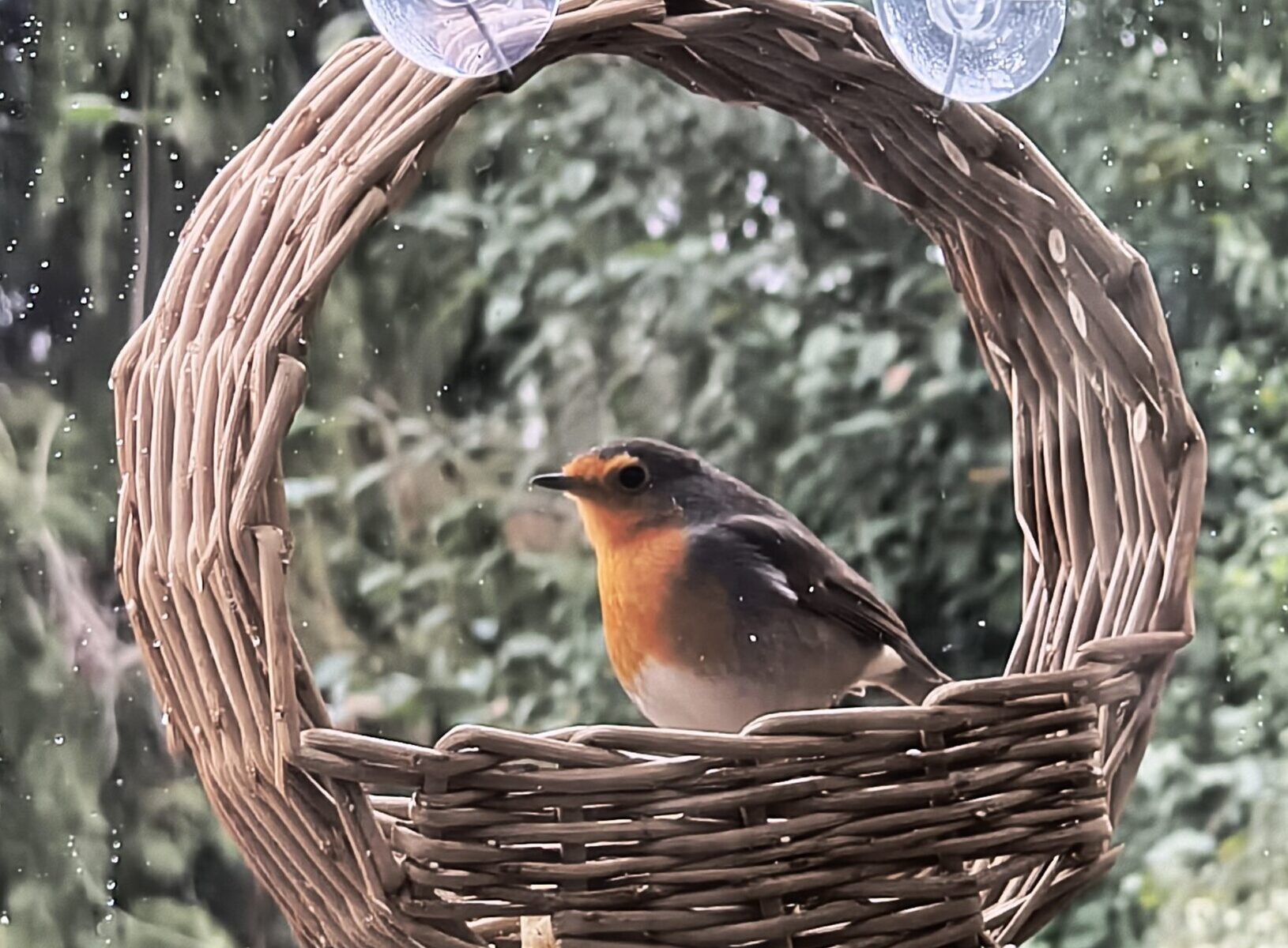
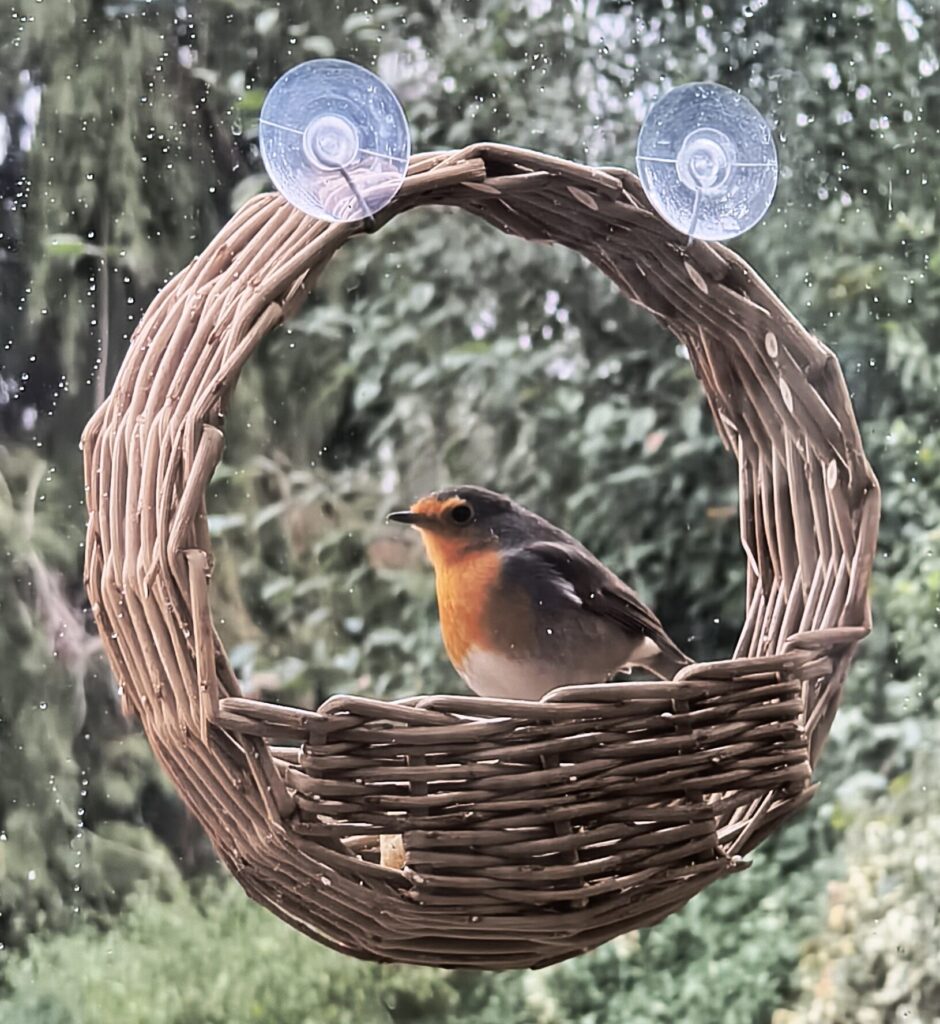
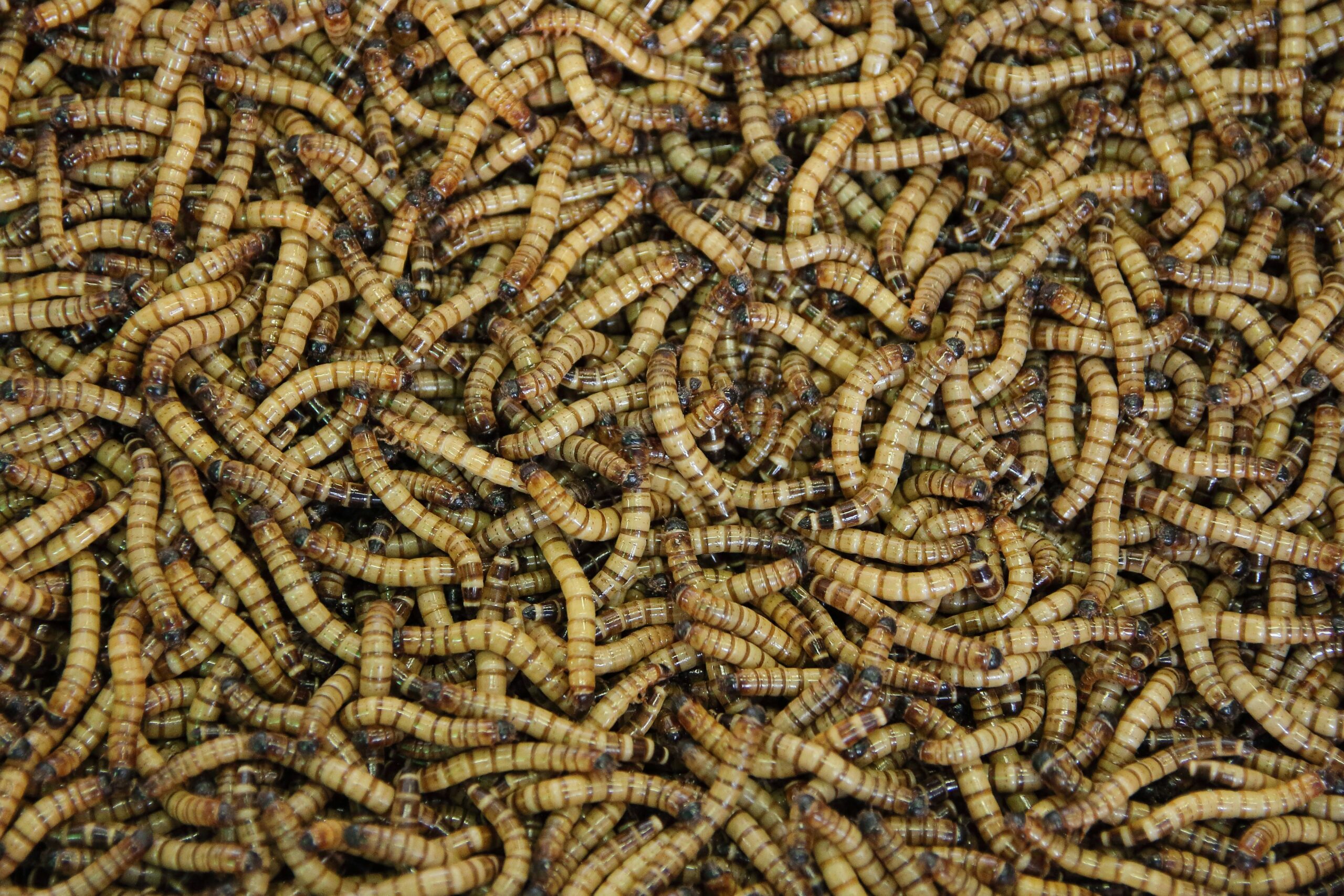
Look at this lovely little fella! He is 1 metre away from where I’m currently sitting. I can see the details of his feathers. The bird feeder, that I made last month, is fixed to the outside of the window and this picture is the 27th time today that my friend has been back for a little snackerelle and to have a look into the human zoo we call our kitchen. Apparently Robins can recognise human faces, the way we walk and our routines. So whilst I flatter myself that he’s here checking out my herhum laughter lines, I really know that he has his tiny bird clock set for food refill o’clock when I give him a suet ball and a ration of meal worms. Click on the picture if you’d like your own window bird feeder.
Do both Robins get a snazzy outfit?
Generally, in the natural world, it’s often the females who get to choose their look from any colour as long as it’s brown. But in an unusual nod to equality, European Robins (Erithacus Rubecula as their latin speaking friends call them) both get to have the snazzy trademark red feathers, a brown back and a white belly. It’s really hard to tell females and males apart. They’re both about 12 – 15cm in length and 20cm with their wings outstretched. And they weigh a tiny, tiny amount of 16 – 20 g.
Home Sweet Home for Robins
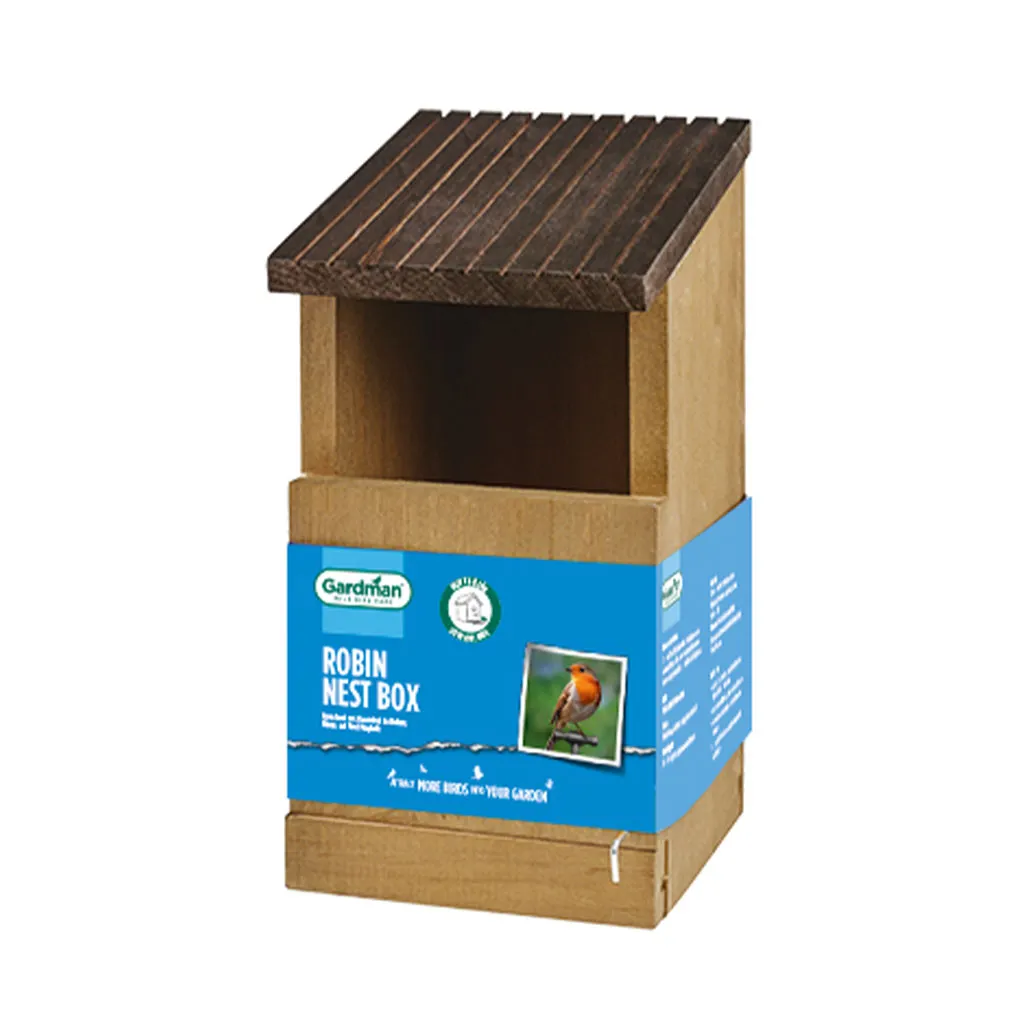
At the moment I have a pair of robins coming to the feeder. They land happily on the open front of the feeder as they prefer nesting sites with a wide opening. This is why their nests can sometimes be found outside in flower pots, tea cups and allegedly one was found in a human skull! (An already empty one we hope!). These wooden nest boxes from Gardman are a lovely, plastic free, skull free option for your garden. They have the wide open front door that Robins prefer.
You might hope that robins, with their lovely homes, would stick together for life but generally it’s a 1 season thing. Then they’re off to find a new beau or belle whose shade of red is just that bit more red and whose song is just that bit more beautiful. There’s no time for shilly shallying though as the average life span is 1 – 2 years they might only get one or two chances to find their true love.
The Gardeners Companion
Although they might not exude peace and harmony amongst their own kind, Robins are brave and bold birds that happily hang out with us humans.They love to perch on posts or spade handles. (Two Ronnie fans: I resisted the urge to launch into the fork handles / 4 candles routine there.) If you’re ever feeling lonely just go out and dig over a bit of earth. Soon you might notice the red of a Robin coming to see if you have unearthed any juicy worms.

A Cultural Icon
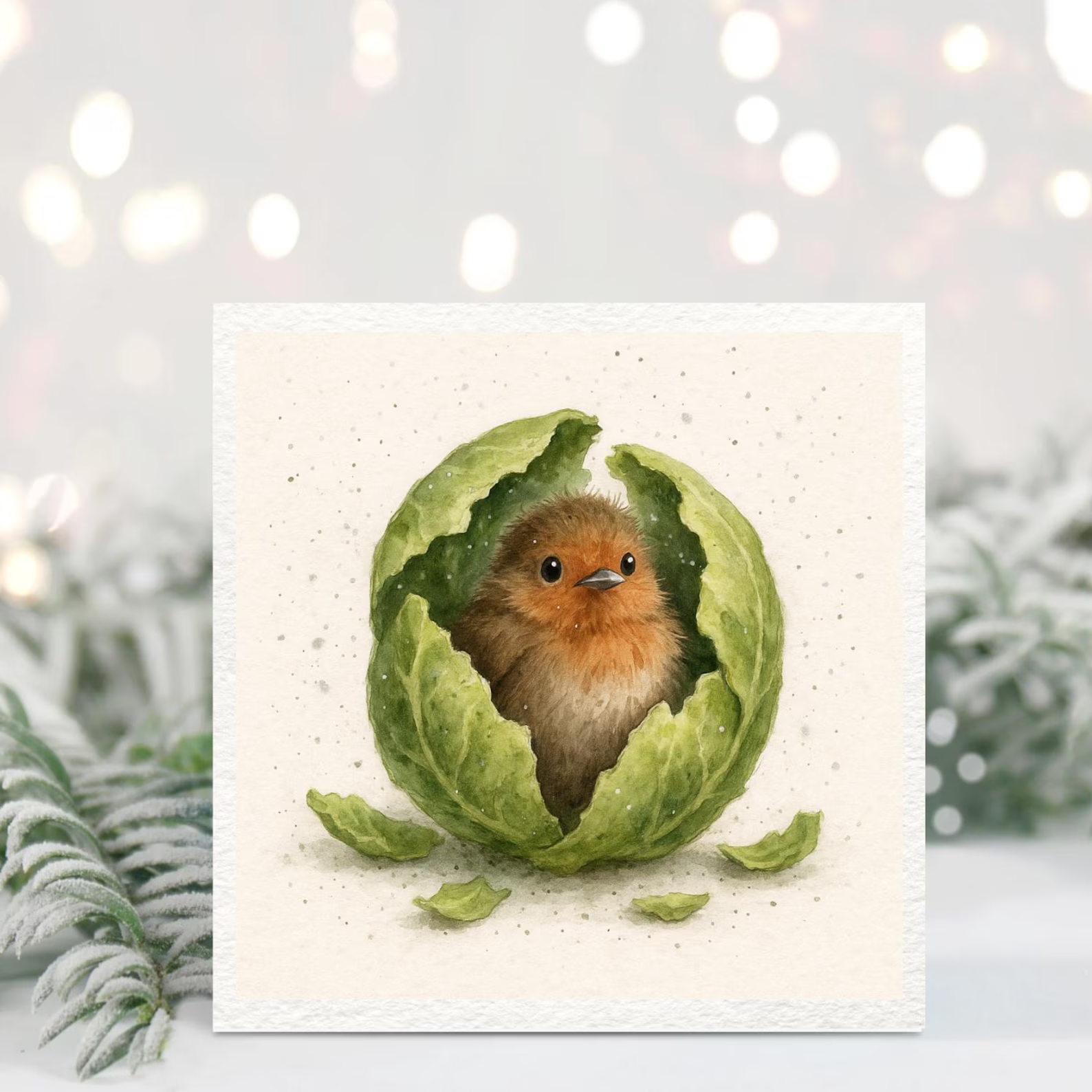
Although there are many different types of Robin birds all over the world, here in the UK, we fondly call our favourite bird the Robin Redbreast. In the 1800s when the Victorians created a whole slew of new Christmas traditions such as Christmas cards, the postmen delivering these were nicknamed ‘Robins’ and the image of the little red bird became synonymous with messages of good will and cheerful greetings.
What’s in a name?
Initially, the Anglo Saxon name for these little birds was Ruddoc – meaning ‘little red one.’ Meanwhile the Germanic name (for humans) of Robert appeared. This came from the words hrod – meaning fame and behrt – meaning bright. And rhodbert became Robert which was shortened to the nickname Robin. That’s a name well known around us here in Nottingham as our own local hero Robin Hood was here working on his version of restorative justice, stealing from the rich and giving it to the poor. Stay with me … there’s a bit more.
…Time went on and language evolved and human names were often linked to animal names; think Willy Wagtail and Nanny and Billy goats. My name Gerry Rennie is often misheard as Jenny Rennie (and I really quite like being associated with a Jenny Wren). During the Tudor era the Ruddoc with its red breast was often referred to as a Robin Redbreast. And there we are today having shortened it even further to Robin.
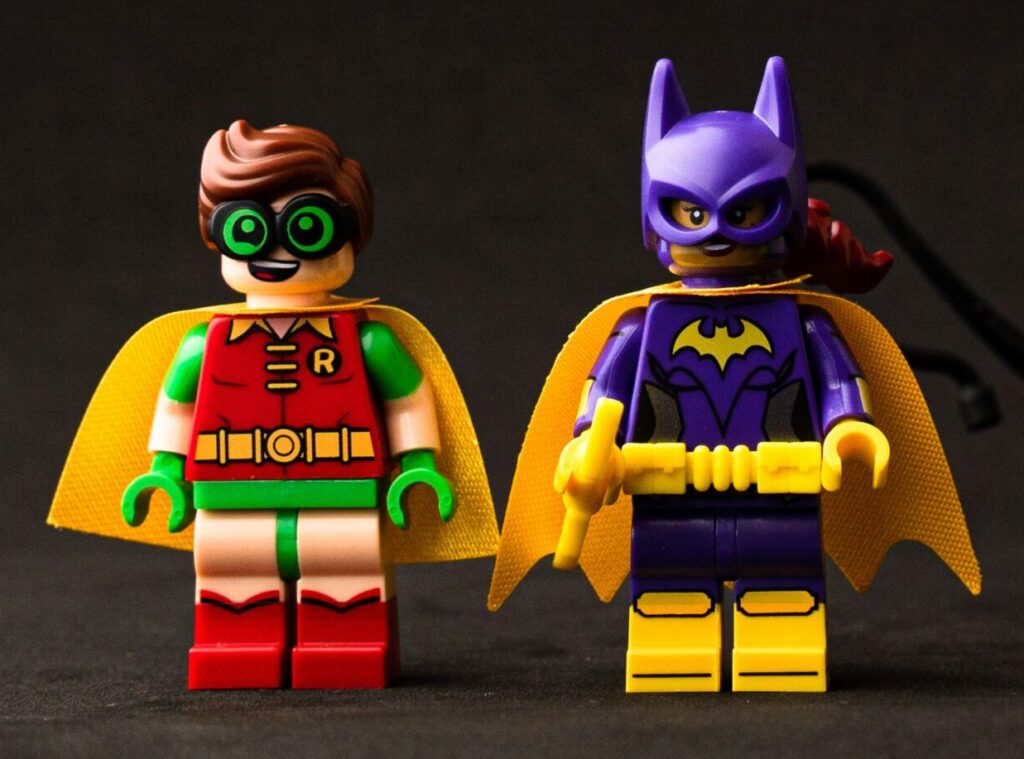
And a final note here on the subject of names is to mention the village of Gotham here in Nottinghamshire.This article explains the unexpected link this has to Batman his cheerful sidekick … Robin, bringer of hope, justice and good cheer in his natty red outfit.
https://www.bbc.co.uk/news/uk-england-nottinghamshire-24760791
Did I miss anything? Do you have any more questions?
If you liked this please subscribe to hear more nature & creativity based wanderings and wonderings.
Gerry x

I love this, I did not know the history of the name and am fascinated as we have Roberts in our family.
Thanks for taking the time to read. It’s fascinating to find out where our every day words come from.